






In the realm of home maintenance, few challenges carry as much weight—or as significant health implications—as mold removal. Mold thrives in damp environments, quickly spreading and festering if left unaddressed, posing risks to respiratory health and structural integrity. This is where experienced mold removal specialists step in, providing critical restoration services that not only eliminate the visible symptoms but also get to the root cause, preventing future recurrences. With specialized equipment and an in-depth understanding of mold behavior, these professionals ensure a safe, healthy environment, restoring peace of mind for homeowners across all situations.
- Identifying Mold: Signs & Causes
- Safe Removal Techniques for Experts
- Restoration Services: Post-Mold Care & Prevention
Identifying Mold: Signs & Causes
Mold can often go unnoticed until it becomes a significant problem, especially in older buildings or those with poor ventilation. Identifying mold early is crucial for effective mold removal and preventing further damage, particularly in historic structures like those found in Boston where preserving architecture is paramount. Signs of mold may include visible black or green patches on walls, ceilings, or floors, often accompanied by a musty odor. In some cases, mold can be hidden behind walls, under flooring, or within insulation—areas that require professional inspection and restoration services.
Causes of mold vary but primarily involve water intrusion or high humidity levels. Common sources include leaky pipes, roof leaks, poor drainage around the building, or even high indoor humidity due to inadequate ventilation. In areas prone to flooding or with significant fire damage, like Worcester, specialized cleanup specialists are essential. These experts not only remove the visible mold but also address the underlying causes and ensure proper decontamination to prevent recurrences.
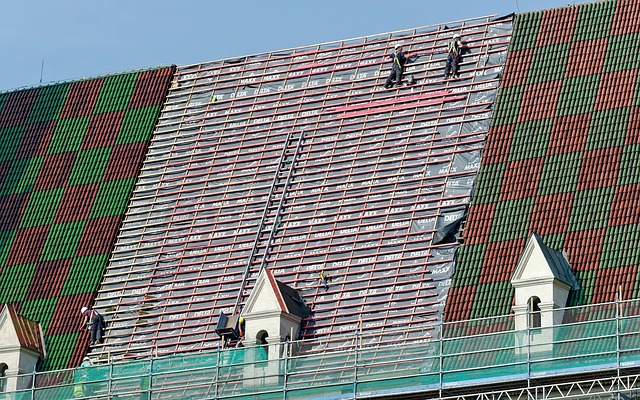
For historical structures, the process becomes more complex, requiring a delicate balance between preservation and restoration. The Capital Region’s Property Restoration experts understand these challenges, offering tailored solutions that respect the architectural integrity while mitigating mold issues. This includes not only removing the affected materials but also implementing energy-efficient insulation installation to maintain optimal indoor conditions, reducing moisture levels, and preventing future mold growth. Regular inspections and proactive maintenance are key, ensuring that structures remain safe and healthy for occupants and preserving their historical value for years to come.
Safe Removal Techniques for Experts
Experienced mold removal specialists employ advanced techniques to ensure safe and effective restoration of affected areas, prioritizing the health and well-being of occupants and the environment. When addressing mold, professionals understand that one-size-fits-all strategies don’t exist; each situation requires tailored solutions. For instance, in the case of restoring old wood floors in Boston, experts may use eco-friendly home renovation ideas to delicately remove mold while preserving the floor’s historical integrity. This meticulous approach is crucial given the potential for mold spores to spread during removal processes.
Safe removal techniques go beyond simple containment and isolation. Professionals utilize specialized equipment, such as HEPA vacuums, to capture and contain mold spores, minimizing their release into the air. They also employ natural remedies where appropriate, like using enzymes to break down mold or employing vinegar for less severe cases. For example, sustainable basement finishing techniques can be seamlessly integrated with mold removal, utilizing materials that inhibit mold growth while promoting a healthy indoor environment.
Property Restoration of the Capital Region emphasizes comprehensive restoration services naturally, addressing not just the visible mold but also the underlying conditions that foster its growth. This holistic approach involves identifying and rectifying moisture issues, improving ventilation, and implementing preventive measures to deter future mold infestations. By combining advanced science with eco-friendly practices, these specialists ensure a safe living environment while promoting sustainable home renovation ideas for long-term peace of mind. Data suggests that prompt and proper mold removal can significantly reduce the risk of health complications associated with prolonged exposure, underscoring the importance of engaging seasoned professionals in these critical restoration efforts.
Restoration Services: Post-Mold Care & Prevention
After a mold infestation is contained, proper restoration services become essential for returning homes and outdoor spaces to their pre-contaminated condition. Revivifying tired spaces in Cambridge or home staging for sale in Somerville requires a strategic approach that goes beyond simple cleaning. Expert restoration specialists understand that each property is unique, necessitating tailored solutions. For instance, outdoor areas heavily affected by mold may need specialized treatments to ensure no trace of the organism remains, preventing future reoccurrence.
Restoration services naturally encompass several critical steps. Initially, professionals conduct thorough inspections to identify the extent of the damage and assess potential sources of moisture or other environmental factors that contributed to mold growth. This meticulous process informs the development of a comprehensive restoration plan designed to address specific needs. Subsequently, affected materials are safely removed, disposed of, or decontaminated according to industry standards. In many cases, this involves using specialized equipment and techniques, such as negative air pressure machines, to prevent cross-contamination and ensure the safety of occupants.
Once the affected areas have been remediated, restoration specialists focus on repairing or replacing damaged structures and finishes. This can range from simple repairs like fixing water-damaged drywall to complete renovations, including structural reinforcement and updated aesthetic features. For example, Property Restoration of the Capital Region offers comprehensive restoration services that cater to both residential and commercial properties, ensuring every space is restored to its optimal condition. Following restoration, ongoing maintenance and preventative measures become crucial in Somerville and Cambridge communities where humidity levels can be high. Regular inspections, proper ventilation, and source control strategies are vital to prevent future mold growth, ensuring these revitalized spaces remain healthy and livable for years to come.
By thoroughly understanding the signs and causes of mold, including the importance of swift action, individuals equipped with knowledge can effectively address mold issues. Experts utilize safe removal techniques, ensuring a healthy and efficient process. Post-removal, restoration services play a pivotal role in comprehensive mold management, offering critical care and long-term prevention strategies. This article has empowered readers with valuable insights, highlighting the significance of professional expertise and specialized restoration services in mitigating mold-related challenges.
In older buildings, early mold identification is crucial for effective removal and preventing damage to historic structures like those in Boston and Worcester. Mold causes vary, primarily involving water intrusion or high humidity, requiring specialized restoration services to address hidden areas and underlying causes. For historical structures, a delicate balance between preservation and restoration is essential, with tailored solutions maintaining architectural integrity while mitigating mold issues.
After containment, restoration services involve thorough inspections, safe removal of affected materials, decontamination, repair/replacement of damaged structures, and ongoing maintenance to prevent future growth in humid areas like Cambridge and Somerville. Experts utilize advanced techniques, natural remedies, and eco-friendly practices for comprehensive restoration.